Trusted Roof Inspection Solutions
Understand Essential Roofing Services to Ensure Your Homes Safety and Durability.
The necessity of maintaining a sturdy and reliable roof is paramount. Homeowners often overlook vital roof maintenance until major issues develop. Routine checks often reveal hidden issues, while knowing typical maintenance can avoid expensive deterioration. Knowing about roofing components and the role of gutters also contributes significantly in roof longevity. As homeowners manage these details, selecting a qualified roofer is just as important. How can they proceed to secure their investment?
Why You Need Periodic Roof Assessments
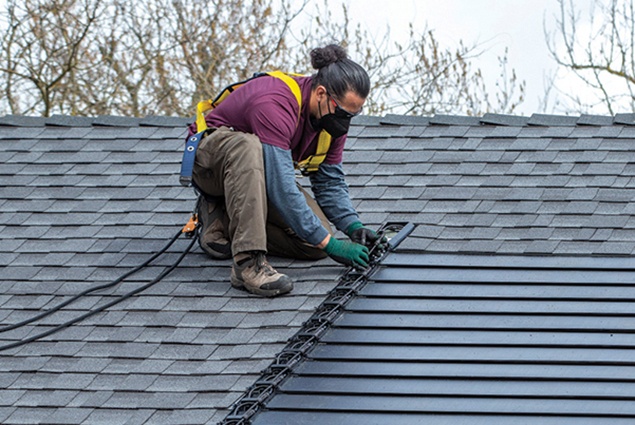
While some homeowners might ignore this, the importance of regular roof inspections is extremely high. Such assessments are vital for preserving the soundness of a home. Roofs naturally degrade over time due to various environmental factors, including weather conditions, debris accumulation, and old components. Periodic assessments uncover early signs of trouble before they become serious damage, such as leaks or structural damage. Furthermore, taking care of the roof early can extend the lifespan of the roofing system, reducing major repair expenses in the long run. Checks are best performed at least once a year or following major storms. Engaging professional roofing services ensures a complete evaluation, as qualified eyes detect minor damage that an untrained eye might miss. Ultimately, prioritizing regular roof inspections contributes to a safe and secure living environment, safeguarding both the structure and its occupants.
Typical Roof Fixes and What They Offer
Routine roof checks not only uncover problems but also allow for crucial maintenance when issues are found. Common roofing repairs include sealing water intrusion, installing new roofing components, and cleaning out the troughs. Fixing water intrusion quickly can avoid liquid harm and fungal development, protecting the house's integrity and inner rooms. Exchanging broken shingles enhances the roof’s integrity and enhances the property's appearance, ensuring lasting durability. Additionally, removing debris from gutters avoids water overflow, that might result in costly damage and foundation issues.
This upkeep substantially aids to making the roof last longer and preserving energy savings. Homeowners who invest in routine maintenance and quick mending can steer clear of major, expensive overhauls later on. In the end, resolving standard roof concerns secures the home's safety but also provides peace of mind for homeowners, sure that their investment is safe from the weather.
The Process of Roof Replacement
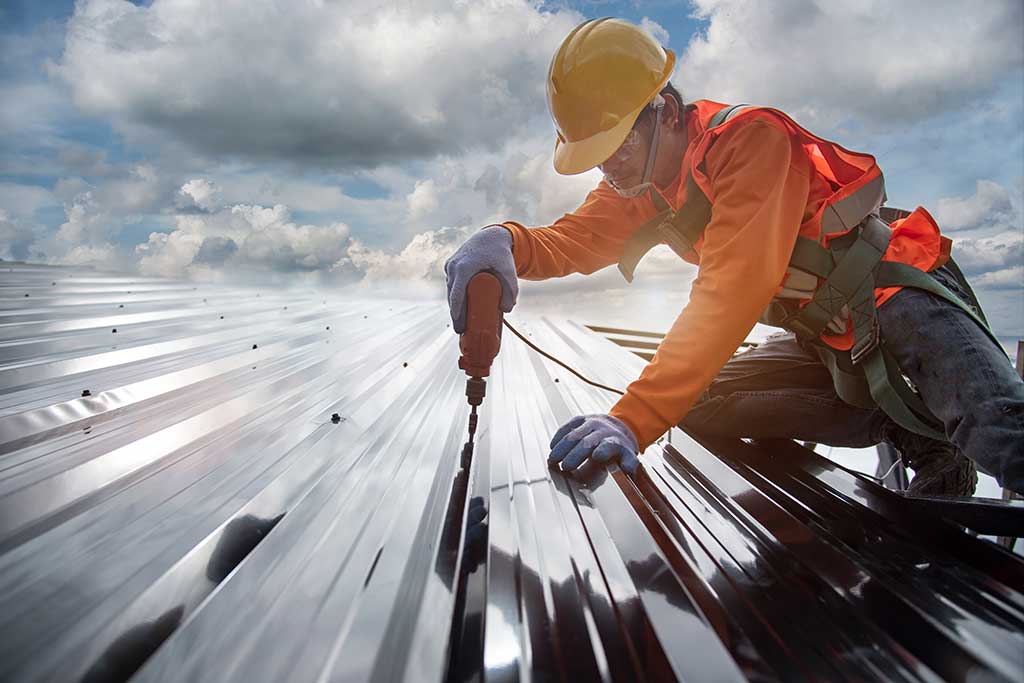
The process of roof replacement includes several vital stages to guarantee a successful and durable installation. Initially, a thorough inspection of the existing roof is conducted to determine its current shape and figure out what needs fixing or replacing. When the inspection is done, the owner should hire a certified roofing professional that can offer a suitable strategy and schedule for the work.
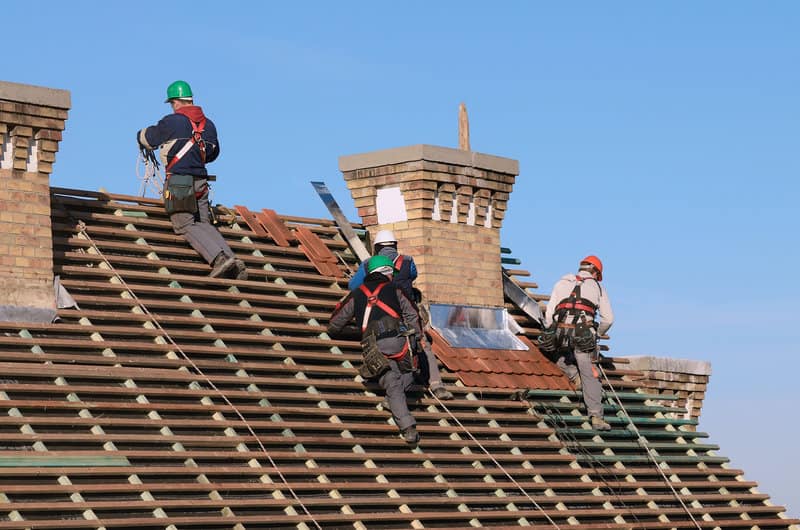
The next step involves removing the old roofing materials, which may include shingles, flashing, and underlayment. This phase is vital for identifying any underlying damage to the roof's base. Following the tear-off, the underlying decking receives necessary mending, ensuring a solid foundation for the new covering.
When the base is sound, the installation of new roofing materials begins, followed by the installation of proper flashing and ventilation systems. In closing, the site is completely cleaned, leaving the property in pristine condition and ensuring the new roof offers long-lasting protection.
Understanding Roofing Materials and Their Lifespan
Understanding roofing materials is essential for those seeking to make educated choices about their roofs. All roofing material varieties possesses a distinct longevity and maintenance requirements, impacting long-term costs and durability. By examining common options, their longevity, and the necessary upkeep, individuals can better plan for their roofing needs.
Types of Standard Roofing Materials
Many kinds of roofing materials exist, each with specific perks and diverse useful lives. Asphalt shingles are widely used due to their affordability and simple installation process, making them a common choice for residential homes. Metal roofing, which is highly durable and minimal care, comes in various styles, including standing seam and ribbed panels. Roofing tiles, usually composed of clay or concrete, gives a noticeable appearance and resists severe weather. Roofing made of slate, despite the higher price, is appreciated for its durability and natural beauty. Lastly, artificial materials, such as rubber or plastic, present green alternatives with the look of traditional materials. Every type meets particular requirements, ensuring homeowners can select what suits their house best.
Lifespan of Roofing Options
Selecting roofing materials means taking into account their aesthetic and price but also how long they will last. Various roofing choices have different durations, directly impacting homeowners' long-term investments. Shingles made of asphalt generally last between 15 and 30 years, based on their quality and how they were installed. Metal learn more roofs, known for its durability, can last between 40 and 70 years with proper installation. Clay and concrete tiles boast impressive longevity, often reaching 50 years or more. Wood shakes, while pleasing to the eye, usually hold up for 20 to 25 years, depending on the climate and upkeep. To conclude, artificial options show wide variation, where specific materials are meant to last a maximum of 50 years. Grasping how long they last assists property owners in deciding wisely about what they spend on their roof.
Maintenance for Longevity
Routine upkeep is crucial for maximizing the lifespan of roofing materials. Homeowners should routinely inspect their roofs for signs of wear, like shingles that are gone, cracks, or moss beginning to grow. Dealing with these problems quickly can prevent more extensive damage. Various roofing materials last for different lengths of time; as an illustration, shingles made of asphalt generally last 15-30 years, while metal roofs can endure 40-70 years with proper care. Regular cleaning of downspouts and gutters is imperative to ensure water drains freely, lessening the risk of leaks and damage to the structure. Furthermore, employing an expert for annual inspections can aid in spotting potential problems before they escalate - Massapequa Roofing Company. By knowing the specific maintenance needs of their roofing material, homeowners can substantially improve their roof's durability and guarantee long-term protection for their homes
The Role of Gutters in Roof Upkeep
Gutters play an critical function in roof maintenance by channeling water away from the structure. Operational gutters prevent water from accumulating on the rooftop, which can lead to leaks, fungal buildup, and structural issues. They guide water downwards and away from the foundation, safeguarding the integrity of the home.
Regular inspection and cleaning of gutters are essential, as debris can block the passage and create blockages. When gutters are ignored, they can overflow, resulting in moisture entry into walls and ceilings, which often requires costly repairs.
In addition, well-maintained gutters improve the performance of a roofing system, prolonging its lifespan. Homeowners should focus on gutter maintenance as part of their overall roof care routine, ensuring that these critical elements operate effectively. By taking this action, they add to the durability and safety of their homes, showing the clear significance of gutters in roof maintenance.
Choosing a Trustworthy Roofing Contractor
How can homeowners make sure they choose a trustworthy roofing contractor? First, it is vital to do comprehensive research. Homeowners should look for suggestions from friends, family, and online reviews to identify reputable contractors in their area. Next, checking qualifications is essential; a reliable contractor should possess valid permits, insurance, and certifications.
Homeowners should also solicit itemized proposals from multiple contractors, comparing costs and the scope of service. Maintaining open dialogue is key, as a honest contractor will be responsive and transparent about their processes.
In addition, reviewing past projects and customer testimonials can offer perspective into the contractor's workmanship and reliability. In conclusion, homeowners should select a contractor that provides guarantees on both materials and labor, providing enduring assistance and protection for the homeowner’s investment. Adhering to these recommendations, homeowners can vastly improve their odds of hiring a trustworthy roofing contractor.
Frequently Asked Questions
What is the Recommended Frequency for a Roof Inspection?
Experts recommend scheduling a roof inspection at least twice a year, preferably during the spring and autumn months. Furthermore, inspections should occur after extreme weather to assess potential damage and maintain continuous roof integrity.
What Are the Signs of Roof Damage to Look For?
Signs of roof damage include lost shingles, leaks, bowing, stains on the interior ceiling, missing granules in the troughs, and noticeable organic growth. Addressing these problems quickly can stop further harm and high repair bills.
Can I Perform Roof Repairs Myself?
Yes, individuals can perform roof repairs themselves if they possess the necessary skills and tools. However, caution is advised, as improper repairs may lead to further damage or safety hazards, meaning expert help may be needed down the line.
What is the Impact of Weather on Roofing Materials?
The weather heavily influences roofing materials, leading to wear, damage, or degradation. Massapequa Roofing Company. Excessive heat, water, and sun exposure can reduce structural soundness, leading to leaks or structural issues. Routine maintenance is crucial to lessen these impacts and extend the roof's useful life
What is the Estimated Price of a Roof Replacement?
The average cost of a roof replacement generally costs $5,000 to $15,000, depending on factors such as roof size, material type, and geographical location, which affects the total cost and installation standard.